


Winter Marquee Heating Solutions: Complete Guide 2026
If you want to host successful winter events in marquees, then you will need effective heating solutions that maintain guest comfort in 0°C to -10°C conditions. Heating represents 35% to 45% of winter event operating costs, making strategic system selection critical for budget management and guest satisfaction.
This guide covers heating system types, BTU calculation methods, insulation strategies, condensation control, safety regulations, and cost estimates to help you plan winter marquee heating effectively.
Table of Contents
- 1. Understanding Winter Marquee Heating Requirements
- 2. Primary Heating System Types
- 3. Power Calculation Methods for Accurate Sizing
- 4. Insulation Upgrades for Heat Retention
- 5. Condensation Control Strategies
- 6. Safety Regulations and Fire Code Compliance
- 7. Cost Analysis: Budget Planning for Winter Events
- 8. Frequently Asked Questions
- 9. Conclusion
Understanding Winter Marquee Heating Requirements
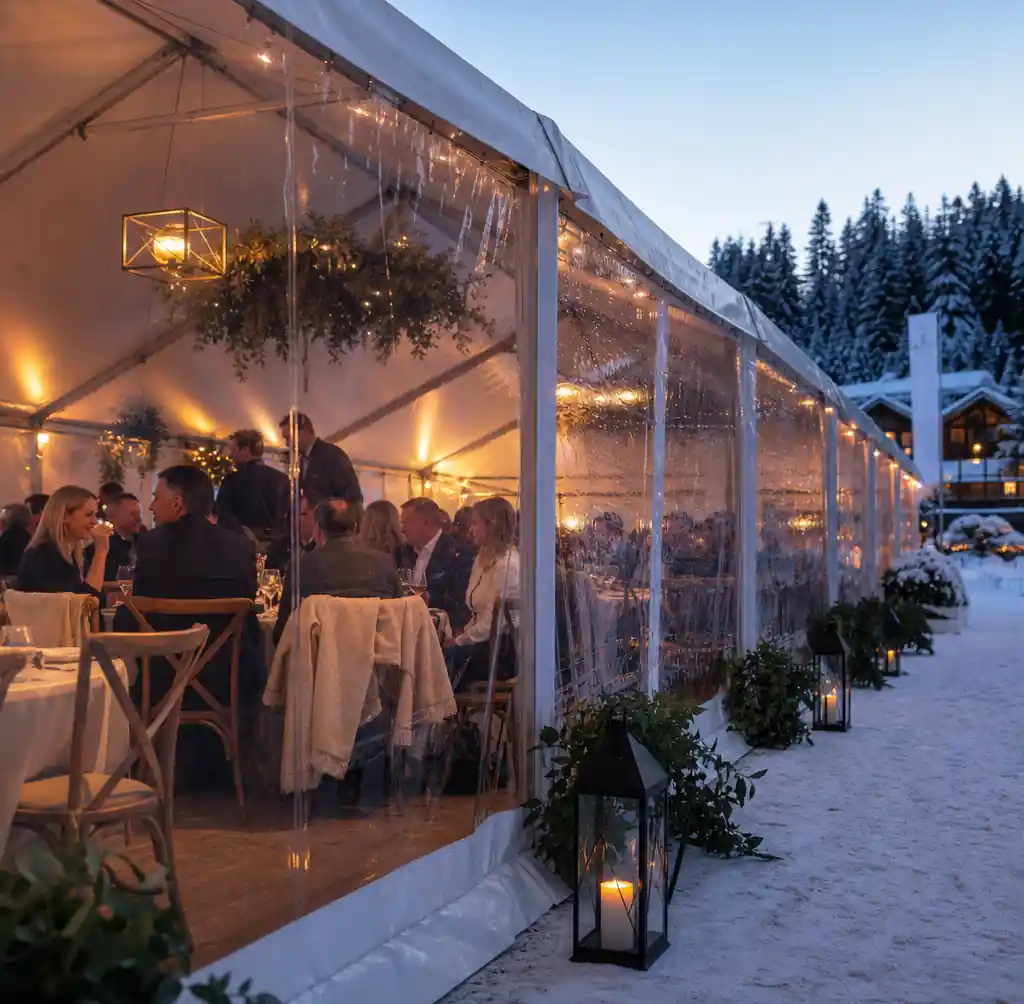
Winter marquee heating differs from permanent buildings because temporary structures lack insulation and experience significant heat loss through fabric walls. Target interior temperatures between 18°C and 22°C ensure guest comfort during winter events.
 Schottky Zener and fast recovery diode junction structures comparison
Event type influences heating requirements substantially. Seated dinners with 150+ guests generate body heat (approximately 100 watts per person), reducing supplemental heating needs. Standing receptions with frequent door traffic require 25% to 35% additional capacity. Corporate exhibitions with minimal guest density demand maximum output.
Heating System Selection Factors
| Factor | Impact on System Selection |
|---|---|
| Event Duration | 2-4 hours: portable units; 8+ hours: permanent installation |
| Guest Count | <100: 60,000-80,000 BTU; 200+: 150,000+ BTU |
| Temperature Differential | 20°C+ difference demands industrial heaters |
| Power Availability | Grid access: electric; off-grid: propane/oil |
Primary Heating System Types
Three heating technologies dominate winter marquee applications: indirect oil-fired heaters, electric systems, and propane heaters.
Indirect Oil-Fired Heaters
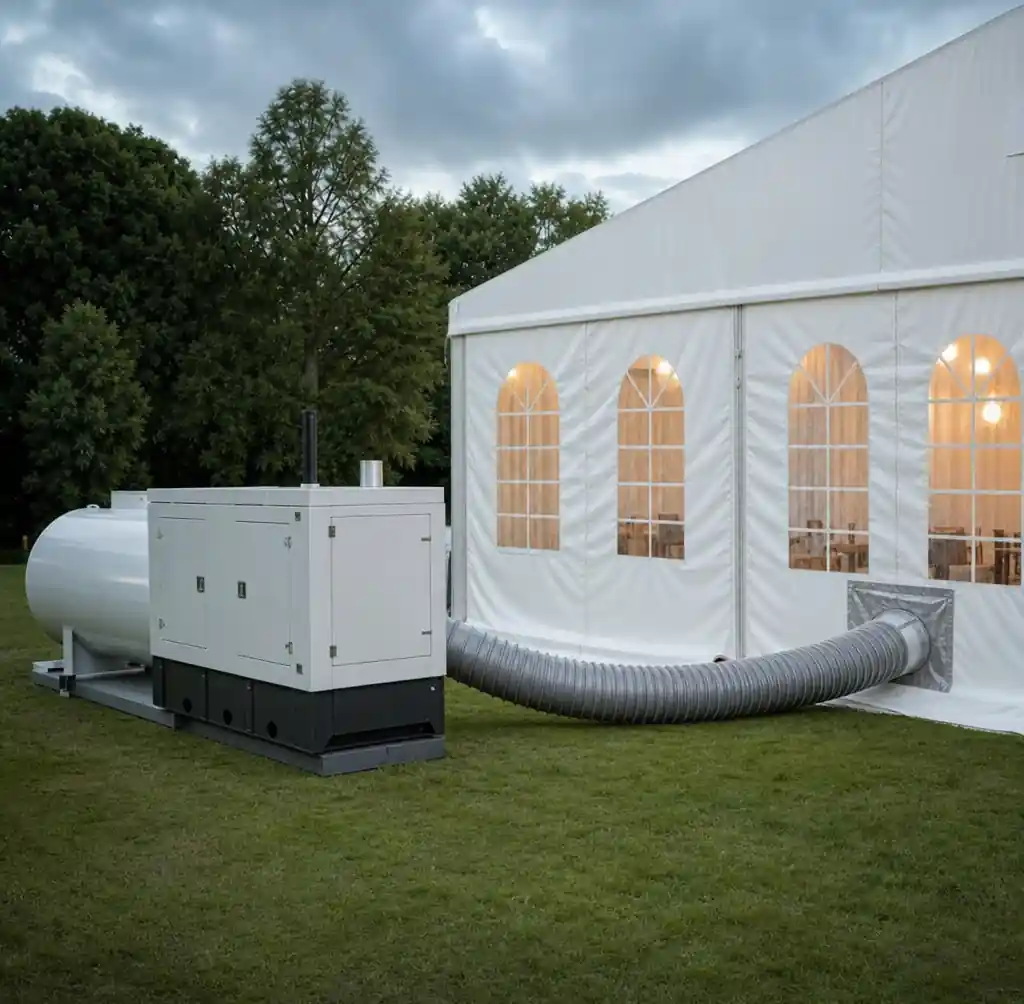
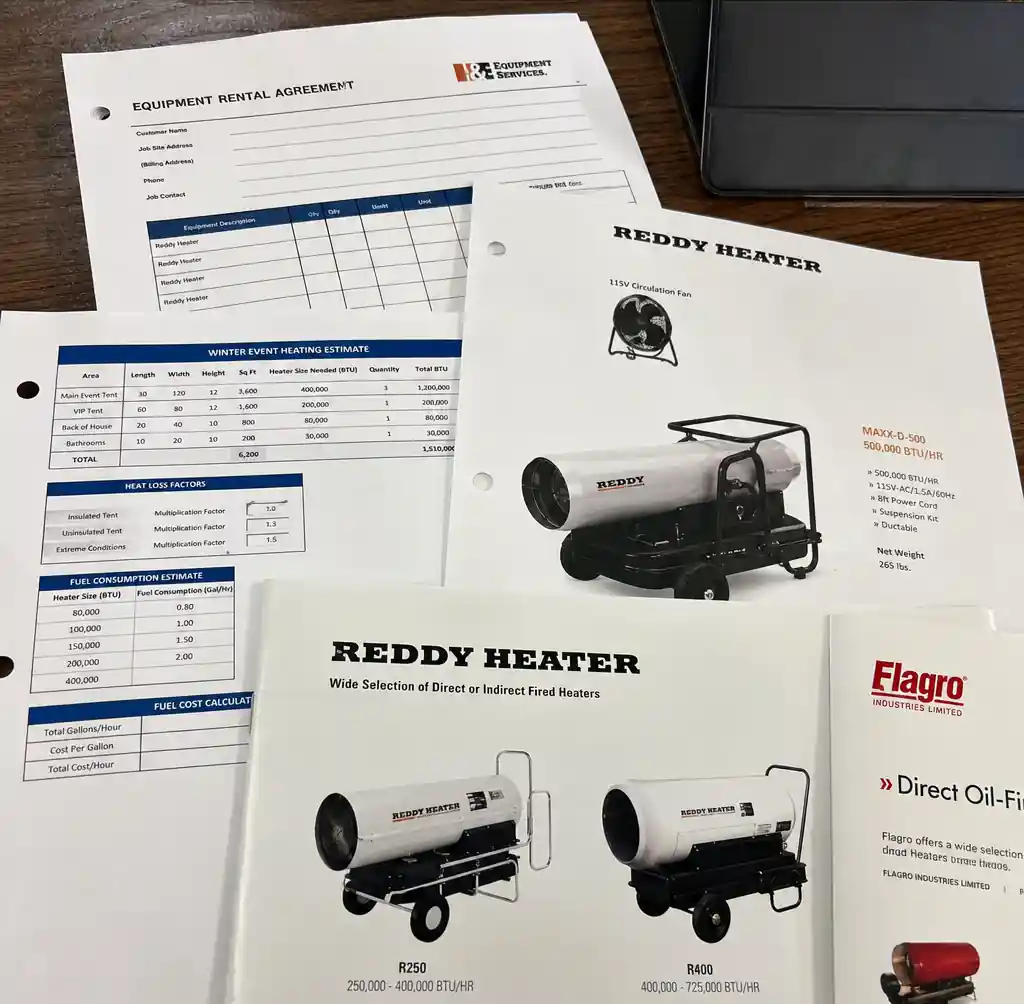
Indirect oil-fired heaters are the most popular choice for large-scale applications. These units position outside tent structures and deliver warmed air through ducting, maximizing interior space while minimizing noise.
 Forward voltage drop vs current for different diode types
The system draws cold air through a heat exchanger warmed by oil combustion, then circulates heated air (free from flames and combustion byproducts) into the tent. Output capacity ranges from 75,000 BTU to 500,000 BTU, sufficient for 50 to 1,000+ guests. Diesel or heating oil provides cost-effective energy compared to propane or electricity.
Electric Heating Systems
Electric heaters are the fastest-growing segment, driven by safety innovations and emission-free operation. These systems require grid connection or generators but eliminate fuel logistics and combustion concerns.
Fan-forced electric heaters circulate warmed air throughout the space, while radiant panels provide directional heating for specific zones. A 20m × 30m marquee typically requires 30 to 45 kW capacity in winter conditions.
Propane Heating Systems
Propane heaters maintain 65% market share because they operate independently of electrical infrastructure. Systems range from portable 9,000-18,000 BTU units to commercial 200,000+ BTU heaters.
 Reverse recovery waveform comparison showing trr differences
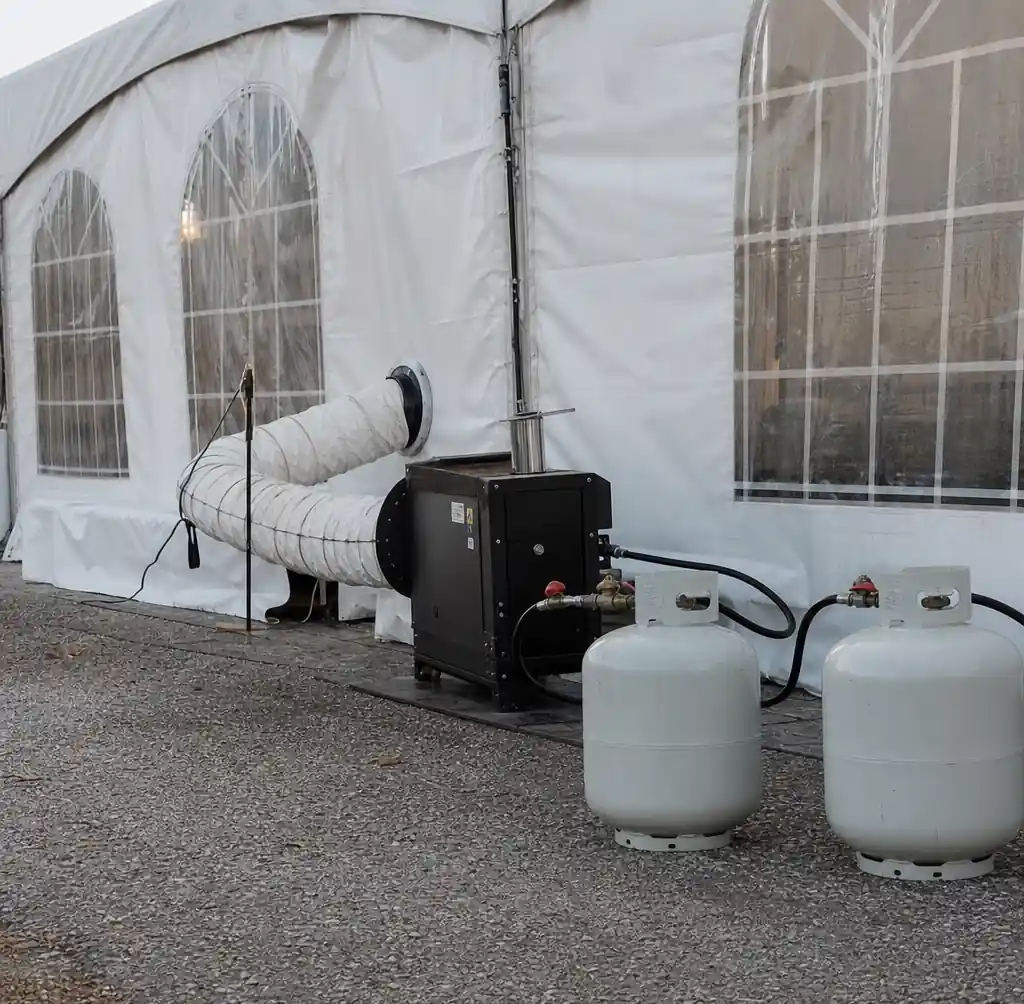
Many jurisdictions restrict propane heaters inside tents due to fire hazards and carbon monoxide risks, requiring outdoor positioning with ducted air delivery. A 100-lb propane tank provides 8 to 12 hours of operation for a 60,000 BTU heater.
Comparison Table: Heating System Performance
| System Type | BTU Range | Fuel Cost | Best Application |
|---|---|---|---|
| Indirect Oil | 75,000-500,000 | Low | Large events, multi-day |
| Electric | 15,000-150,000 | Medium-High | Powered sites, clean operation |
| Propane | 10,000-200,000+ | Medium | Off-grid, portable needs |
Power Calculation Methods for Accurate Sizing
Accurate heating capacity calculation prevents undersized systems that fail to maintain comfort and oversized equipment that wastes budget. The standard BTU formula accounts for tent volume, temperature differential, and heat loss factors.
Standard BTU Calculation Formula
BTU/hr = Volume × Temperature Difference × Heat Loss Factor
Where:
- Volume = Length × Width × Height (cubic feet)
- Temperature Difference = Desired Interior - Exterior Temp (°F)
- Heat Loss Factor = 0.133 × Insulation Factor × Climate Factor
Insulation and climate factors:
| Insulation Quality | Cold Climate | Moderate Climate |
|---|---|---|
| Poor (single-layer fabric) | 8 | 6 |
| Average (double-layer) | 7 | 5 |
| Good (insulated liner) | 6 | 4 |
Practical Example
For a 20m × 30m × 4m marquee (65 ft × 98 ft × 13 ft) in winter:
- Volume: 82,810 cubic feet
- Temperature Difference: 70°F - 30°F = 40°F
- Poor insulation, cold climate: factor 8
BTU/hr = 82,810 × 40 × 0.133 × 8 = 352,348 BTU/hr
This requires approximately 350,000 BTU/hr capacity, or three 120,000 BTU heaters distributed evenly.
Real-World Adjustments
Professional calculations include:
- Guest density: Subtract 10-20% for 150+ guests (body heat)
- Door traffic: Add 15-25% for high-traffic events
- Wind exposure: Add 20-30% for open sites
- Insulation upgrades: Subtract 30% with double-layer fabric or liner
Insulation Upgrades for Heat Retention
Insulation improvements reduce heating requirements by 25% to 40%, delivering substantial fuel savings for multi-day events.
 Zener diode IV curve showing breakdown voltage regulation region
Double-Layer Fabric Systems
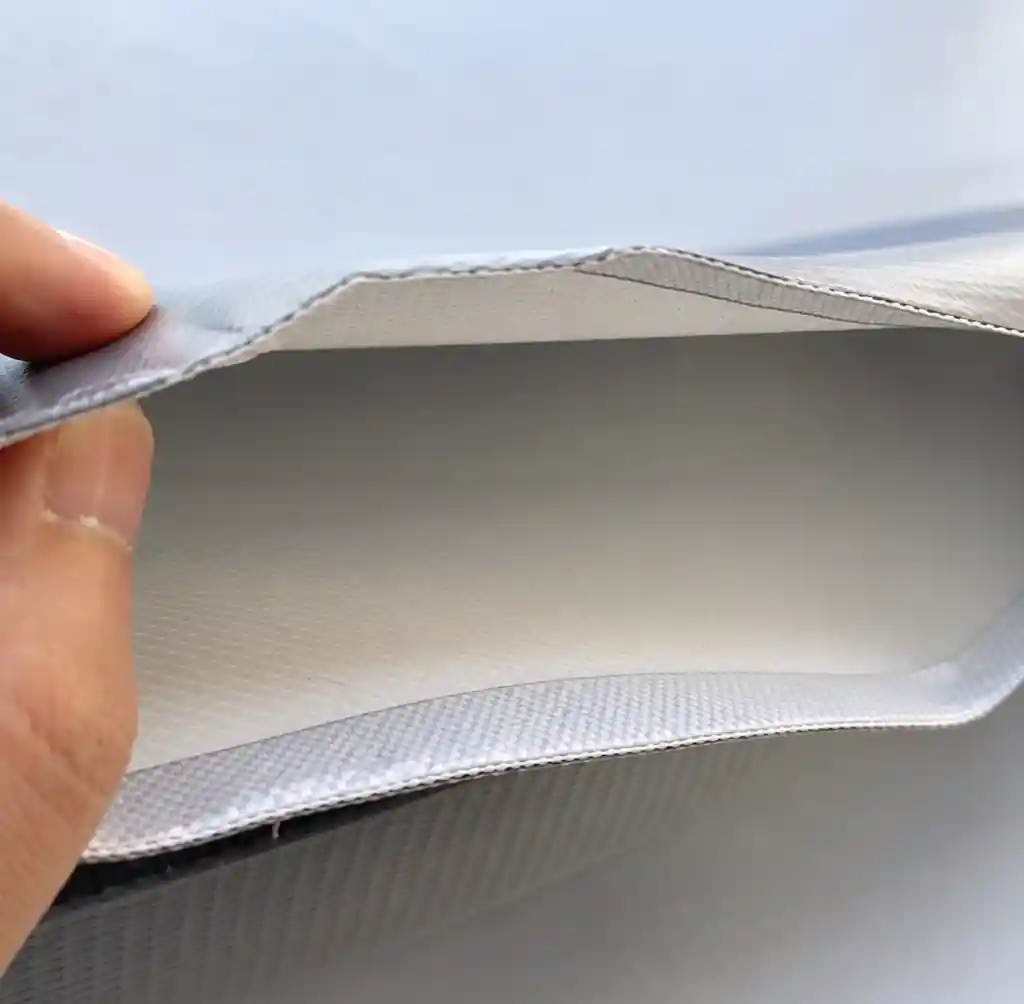
Double-layer construction creates an air gap between interior and exterior panels, reducing heat loss by 30-35% compared to single-layer systems. This increases rental costs by 20-30%, but fuel savings recover the premium within 2-3 days.
Interior Liners and Floor Insulation
Polyethylene interior liners install 6-12 inches inside the primary fabric, creating an insulating cavity while enhancing aesthetics. Ground contact represents 15-25% of total heat loss. Insulated flooring includes raised plywood platforms (6-inch air gap), foam underlayment (1/2-inch closed-cell foam), or heated flooring panels. Combining raised flooring with carpet reduces required air temperature by 2°C-3°C while maintaining comfort.
Condensation Control Strategies
Condensation management prevents moisture damage, slippery floors, and uncomfortable atmosphere. A 200-person event generates 15-20 liters of water vapor hourly.
 Thermal imaging showing diode temperature with and without proper heatsinking
Ventilation Requirements
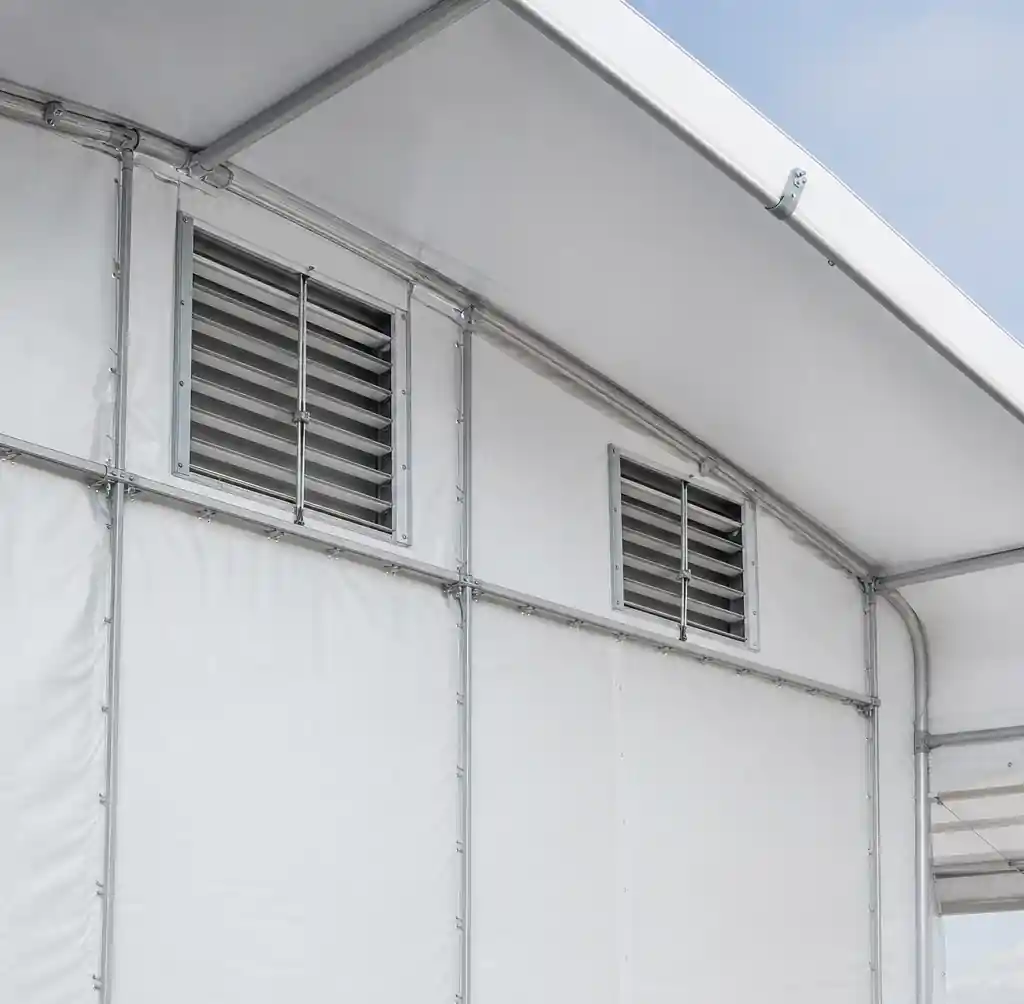
Adequate ventilation is the most effective strategy. Open roof vents to release warm moist air, position low sidewall vents for fresh air intake, and create cross-flow circulation. Balance with heating by increasing capacity 10-15%. Target 0.5-1.0 air exchanges per hour through adjustable panels rather than door openings.
Dehumidification Systems
Commercial dehumidifiers extract water vapor mechanically, maintaining 40-60% relative humidity. Specify for extended events (3+ days), high-moisture activities (cooking, bar service), luxury events where dripping damages décor, or clear tent structures. Units remove 50-150 pints per 24 hours.
Safety Regulations and Fire Code Compliance
Winter marquee heating equipment poses fire and carbon monoxide risks demanding strict safety compliance.
 Diode selection decision tree based on frequency and voltage requirements
Fire Code Restrictions
Fire codes generally prohibit open-flame heating inside tents due to fabric flammability:
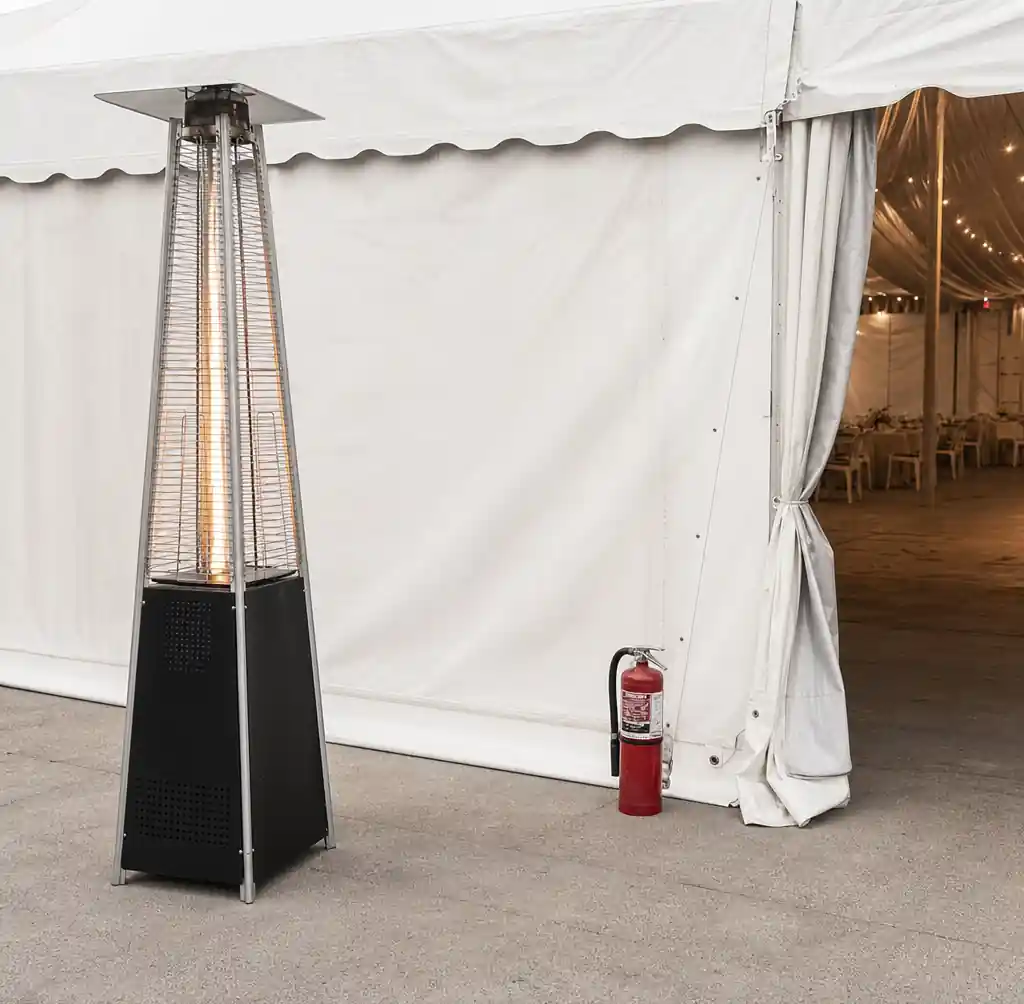
- Propane heaters: Not permitted inside tents or within 5 feet of walls
- Open-flame devices: Prohibited under canopies or within 20 feet
- Portable heaters: Require 36-inch clearances from combustibles
- Fuel storage: Propane tanks stored 20 feet from tents per NFPA
Permitted Solutions
Fire codes permit:
- Electric heaters: Allowed inside when properly grounded
- Indirect-fired heaters: Permitted outside with ducted air delivery
- Hydronic heating: Circulated hot water with radiator panels
Obtain permits from fire marshals before installing equipment in tents over 400 square feet.
Carbon Monoxide Monitoring
Combustion heating (propane, oil, natural gas) produces carbon monoxide. Install battery-powered CO detectors at head height (5 feet) in multiple locations, with alarms set at 50 ppm triggering immediate evacuation.
Cost Analysis: Budget Planning for Winter Events
Heating costs represent 35-45% of total winter event operating expenses.
Equipment Rental and Operating Costs
Heating equipment rental prices:
- Portable electric (15,000-30,000 BTU): $75-$150/day
- Commercial propane (60,000-100,000 BTU): $150-$250/day
- Indirect oil (150,000-300,000 BTU): $250-$400/day
- Dehumidifiers: $125-$200/day
 Practical Zener diode overvoltage protection circuit with current limiting
A 200-person winter wedding requiring three heaters plus dehumidifier costs $575-$1,000 per day (20% discount for 3+ days).
System Comparison (8-hour event)
| System Type | Equipment | Fuel/Energy | Total |
|---|---|---|---|
| Electric (3×30kW) | $450 | $40 | $490 |
| Propane (3×100K BTU) | $600 | $100 | $700 |
| Oil-Fired (1×300K BTU) | $350 | $65 | $415 |
Propane: 1 gallon/hour per 100,000 BTU at $3.50-$4.50/gallon. Electric: 240 kWh at $0.12-$0.18/kWh. Oil: 2-4 gallons/hour at $3.00-$3.75/gallon.
Reduce costs with double-layer tents (30-35% savings), afternoon timing, higher occupancy, and zone heating.
Frequently Asked Questions
How many heaters do I need for a 20m × 30m wedding tent?
You need 300,000-350,000 BTU total capacity, which translates to three 100,000-120,000 BTU heaters distributed evenly throughout the tent.
Can I use propane heaters inside my event tent?
Most fire codes prohibit propane heaters inside tents. Position propane heaters outside with ducted air delivery, or use electric heating for interior placement. Consult your local fire marshal before installation.
How much does it cost to heat a marquee for a winter wedding?
An 8-hour winter wedding for 200 guests requires $400-$700 total including equipment rental ($250-$400) and fuel/electricity ($150-$300).
What temperature should I maintain inside a winter marquee?
Target 18°C-22°C (64°F-72°F) for guest comfort. Seated dinners tolerate 18°C-20°C, while standing receptions require 20°C-22°C.
How do I prevent condensation in my winter tent?
Maintain 0.5-1.0 air exchanges per hour by opening roof vents and sidewall panels. Consider dehumidifiers for extended events. Double-layer construction reduces condensation by warming interior surfaces above dew point.
Is electric or propane heating better for marquees?
Electric heating offers simpler operation and zero emissions when power is available. Propane works better for remote venues without electrical infrastructure. Prioritize power availability, budget, and local fire codes.
Conclusion
Winter marquee heating requires strategic system selection balancing capacity, cost, safety, and venue constraints. Accurate BTU calculations ensure proper sizing, while insulation upgrades and condensation management optimize performance and guest comfort. Strict fire safety compliance protects event operations and attendee wellbeing.
If you need premium marquee solutions for winter events, Velaria Spatia offers tent structures engineered for cold-weather performance. Our clear tent systems feature optional insulated liners and double-layer construction for superior heat retention. We have successfully supplied winter event infrastructure for wedding venues and VIP corporate receptions across Europe and North America, including heated structures for mountain resorts, outdoor festivals, and seasonal hospitality venues. Contact us today for custom winter marquee solutions with integrated heating compatibility.
Sources:
- Tent heating for small and large-scale events
- Stay Warm & Safe While Winter Camping
- Tent Heater Calculator – BTU & Wattage Needed
- How to Calculate HVAC Load for Temporary Structures
- Tent condensation management tips
- IFC Chapter 31: Tents and Temporary Structures
- Heated Tents for Fall & Winter Weddings